
Published on: 25 November, 2025
Read Time: 8 min
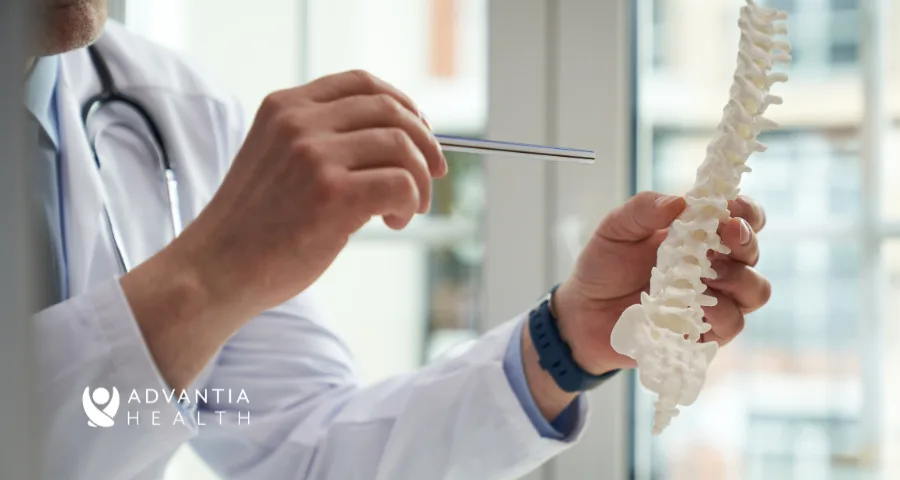
Osteoporosis is a disease characterized by low bone mass and changes in bone architecture that increase risk of fracture.
One in three women over age 50 will suffer an osteoporotic fracture in their lifetime. People with osteoporosis are significantly more likely to suffer a bone fracture, and experience pain, and decreased mobility, function, and quality of life as a result. Hip fractures are associated with a 24% mortality rate in the year following fracture. People with the condition often don’t realize they have it until they break a bone.
There are ways to reduce the risk of osteoporosis and fracture risk, and slow postmenopausal bone loss. Talk to your provider about steps you can take at any age to improve your bone health.
Lifestyle Foundations That Support Strong Bones
There are a number of lifestyle choices that can help you prevent osteoporosis and maintain Strong bones, and provide additional health benefits. These include:
Dietary changes: Increasing your calcium and vitamin D intake. Peak bone mass occurs by age 30. Dairy products, and some nuts, leafy vegetables and fish are rich in calcium. The recommended daily calcium intake for women age 19-50 is 1000mg and for women age 51-70 it is 1200mg. Calcium is required to create new bone tissue, and vitamin D supports improved calcium absorption. The recommended daily intake of Vitamin D is 600IU/d to age 70 and 800IU/d after age 70. Blood tests can determine if you have a vitamin deficiency, and supplements can help you maintain higher levels of these vitamins and minerals. You may also need to increase your protein intake to support bone and muscle growth.
Quitting smoking: Cigarette smoking reduces bone density, especially after menopause, increasing your risk of fracture. Quitting smoking also makes it easier to engage in regular physical activity, which contributes to better bone health.
Reducing your alcohol consumption, and avoiding binge drinking (drinking heavily in a short time period): The absorption of essential nutrients for bone health, like calcium and vitamin D, can be disrupted by alcohol consumption. Aim for no more than one alcoholic drink per day to reduce your risk of rapid bone loss.
It is important to speak with your healthcare provider before adding supplements or making other significant dietary changes to ensure no conflicts with pre-existing conditions or medications.
Exercise That Strengthens: Weight-Bearing, Resistance & Balance Training
One of the most effective strategies for combating bone loss is exercise. Specifically, engaging in weight-bearing exercise, such as walking, running, dancing, aerobics, is crucial because those activities stimulate your bones to retain calcium and actively help prevent bone density loss. They are all useful ways to strengthen your muscles, ligaments and joints, which can reduce the risk of falls and injury.
In addition to weight-bearing activities, you should add resistance exercises to your routine. Push-ups, using resistance bands, lifting weights or using weight equipment at the gym can all improve bone strength. To further reduce the risk of falls and injuries, you can add balance training to your exercise regimen. Balance exercises help improve posture, flexibility and strength. Yoga, tai chi, or simple activities you can do at home with minimal equipment (ex. Chair stands, hip extensions, squats, lunges, etc.) all support better balance and fall prevention.
You should aim for a minimum of 30 minutes of weight-bearing exercise on most days. This can be a blend of aerobic activities, like brisk walking, and strength-training activities, such as lifting light hand weights. For maximum impact, balance exercises should be performed at least twice weekly.
Lifestyle Pitfalls That Weaken Bones Without You Realizing
In addition to lifestyle choices that can prevent osteoporosis and reduce bone fracture risk, there are some choices that can accelerate poor bone health that you may be surprised to learn about. These include:
Sedentary lifestyle: Prolonged inactivity (sitting or lying down) is detrimental to bone health. The right types of exercise, such as weight-bearing exercise, can build stronger bones.
Limiting outdoor activities: Your body produces vitamin D after sunlight exposure, and vitamin D helps the body absorb calcium. As little as 15 minutes of daylight, several times each week, can help your body increase its natural production of vitamin D.
High salt intake: Consuming too much salt depletes your calcium stores, leading to lower bone density. Aim for a healthy diet with fewer processed foods, salty snacks, canned soups, and other high-salt choices.
Too much soda: The phosphoric acid in many sodas may be leeching calcium from your body, reducing your ability to grow and maintain calcium levels in your bones. Seek out sugar-free alternatives to sodas as an easy way to protect your bones.
Why Bone Loss Accelerates During Menopause
Bone loss starts during perimenopause when estrogen levels begin to decline and fluctuate. In the five to seven years after menopause, women can lose up to 20% of their bone density. Estrogen helps the body both build new bone and prevent the breakdown of that tissue, while suppressing inflammation that can worsen bone damage.
If you lose bone density quickly during the perimenopausal transition and have lower bone density at its onset, you have a greater likelihood of developing osteoporosis. In addition to menopause, other risk factors include age, genetics, certain medications, thyroid disease, smoking, and alcohol use disorder.
Assessing Your Bone Health: When to Get a DXA Scan & FRAX Test
A DXA or DEXA scan, which uses dual-energy X-ray absorptiometry, is the standard test that is used to measure bone mineral density (BMD). A healthcare provider may recommend a DXA scan or bone density test to diagnose osteoporosis and osteopenia (bone density loss that can become osteoporosis) or assess your risk of bone fracture.
DXA scans are often recommended for those at higher risk for osteoporosis. The scan can also be used to determine if your bones are responding to osteoporosis treatment once diagnosed. It is a quick, low-risk test that provides a “T score” comparing your density to a healthy young person. Scores closer to 0 are indicative of stronger bones.
Created by the World Health Organization, the online FRAX tool calculates your risk of fracture over the next 10 years to help determine those with the greatest need of treatment and help them lower their risk of osteoporosis and bone fracture. The 12-item questionnaire combines bone density data, lifestyle choices, medical history, and demographic details. It can be used as a follow-up to a DXA scan indicating low bone density.
Medical Options: Hormones and Osteoporosis Treatments
Due to the correlation between estrogen deficiency and bone health, menopausal hormone therapy (MHT) is indicated for prevention of osteoporosis. MHT can reduce continued bone loss by increasing estrogen levels in the body. The selection of the appropriate HRT form will depend on other menopause symptoms, health history, risks, and other medications you may currently be taking.
As you age, your body tends to break down bone faster than it forms new bone, which decreases bone density. Bisphosphonates and denosumab are non-hormonal osteoporosis treatment options that both work by slowing or preventing the breakdown of bone (also called bone resorption).
Bisphosphonates are equally effective to HRT at reducing bone fracture risk, and are often used as a first treatment for osteoporosis. While all improve bone density, different bisphosphonates are more effective at reducing bone fracture risk than others (ex. Some are better at vertebral fracture risk reduction, while some are better at hip and nonvertebral fracture risk reduction).
Denosumab is often used in patients at high risk for bone fracture due to osteoporosis who cannot tolerate bisphosphonates or haven’t experienced sufficient benefit from them.
Preventing Falls: Home Safety and Daily Strategy
Women with osteoporosis who are at higher risk of broken bones should be especially mindful about preventing falls around their homes. Removing loose items and clutter from floors, using non-skid rugs and mats, installing grab bars and handrails, keeping commonly used items within easy reach, and ensuring stairwells are well-lit can reduce the likelihood that you slip and fall inside.
Outdoors, using a cane, handrails, and shoes with low heels and rubber soles can also help you maintain your balance. Promptly removing snow, leaves, and trash (or enlisting help to do so) can make accessing or leaving your home safer for you and visitors.
Book An Appointment with Advantia Health!
Advantia Health providers support women’s health at all stages of their lives. As you enter perimenopause, your provider can help you learn how to prevent or treat a host of new conditions that may accompany this transition period. Additionally, it is important to speak with your healthcare provider before adding supplements or making other significant dietary changes to help ensure you will not encounter any negative impacts due to pre-existing conditions or medications. Book your appointment now!

Book an Appointment!
The providers at Advantia Health are here to answer your frequently asked questions about women’s health. Contact Advantia today to book an appointment.
Book An Appointment!